How Many Exercises Should You Do Per Workout?
Oct 15, 2026
A beginner-friendly guide to choosing the right number of exercises, balancing muscle groups, and building a workout that fits your available time.
Most beginners do better with 4–6 exercises per workout — enough to cover the body, not so many that form and focus fall apart.
There is no magic number. The right count depends on how long you have, how hard each set is, and whether you are training the whole body or one area.
Start with a short answer
Use these ranges as a starting point:
| Session type | Exercises | Rough time |
|---|---|---|
| Short / busy day | 3–4 | 20–30 min |
| Full-body strength | 4–6 | 40–60 min |
| Body-part split (push, pull, legs) | 4–6 | 45–70 min |
| Conditioning / HIIT | 4–5 | 15–25 min |
If you are new, err on the low side. Finish with energy left and clean reps. You can always add a move next week.
Why fewer often works better
Every extra exercise costs warm-up attention, set-up time, and recovery. A long list tempts you to rush, skip rest, or cut the last moves when you are tired.
Quality usually beats quantity:
- 3 sets done well beat 6 exercises you half-finish
- Compound moves (squat, hinge, push, pull) give more return per slot
- Isolation work is optional once the big patterns are covered
Balance the muscle groups
For a full-body day, think in patterns, not body-part checklists. One solid choice from each group is enough:
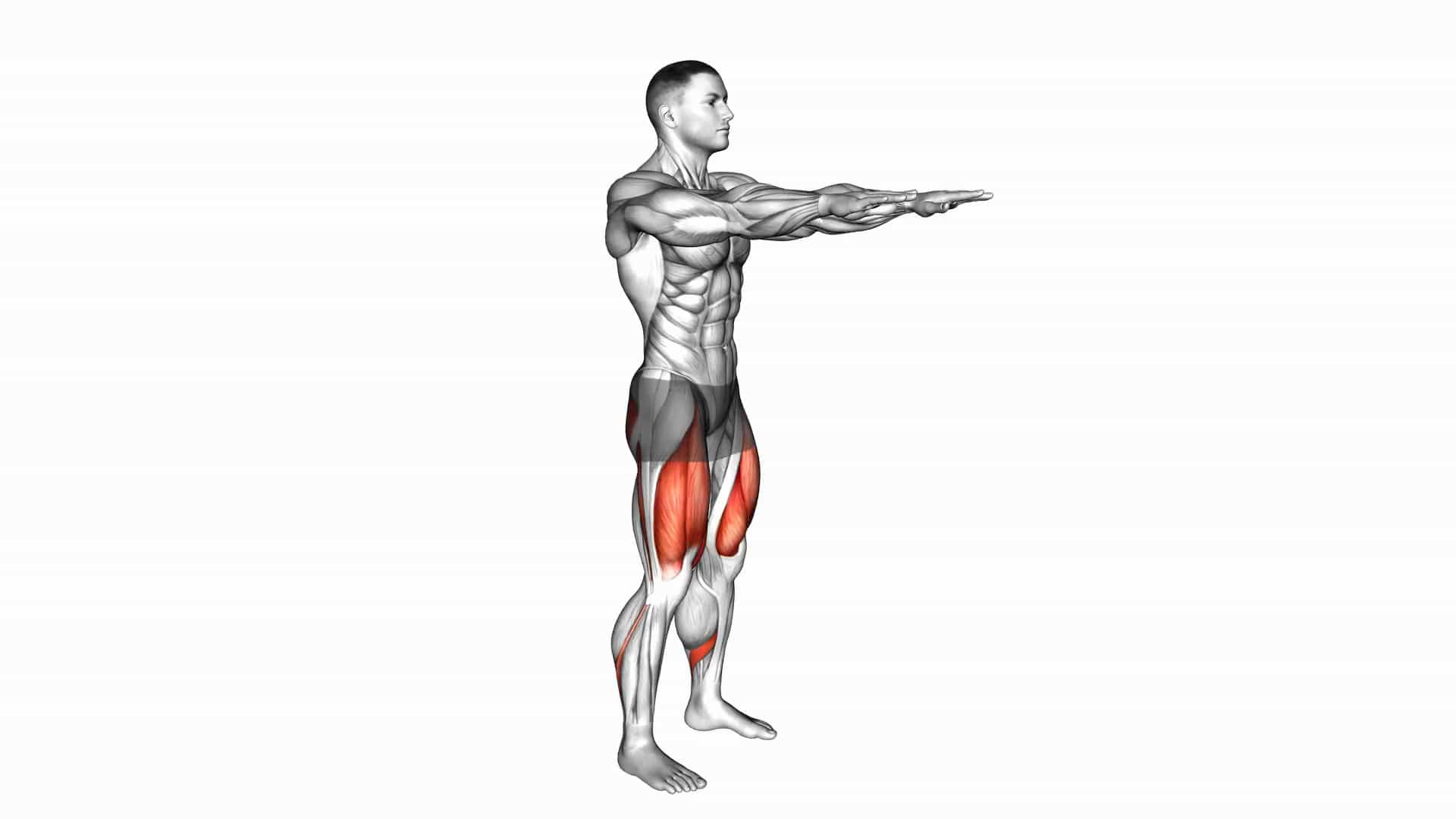
- Squat or lunge — legs and hips
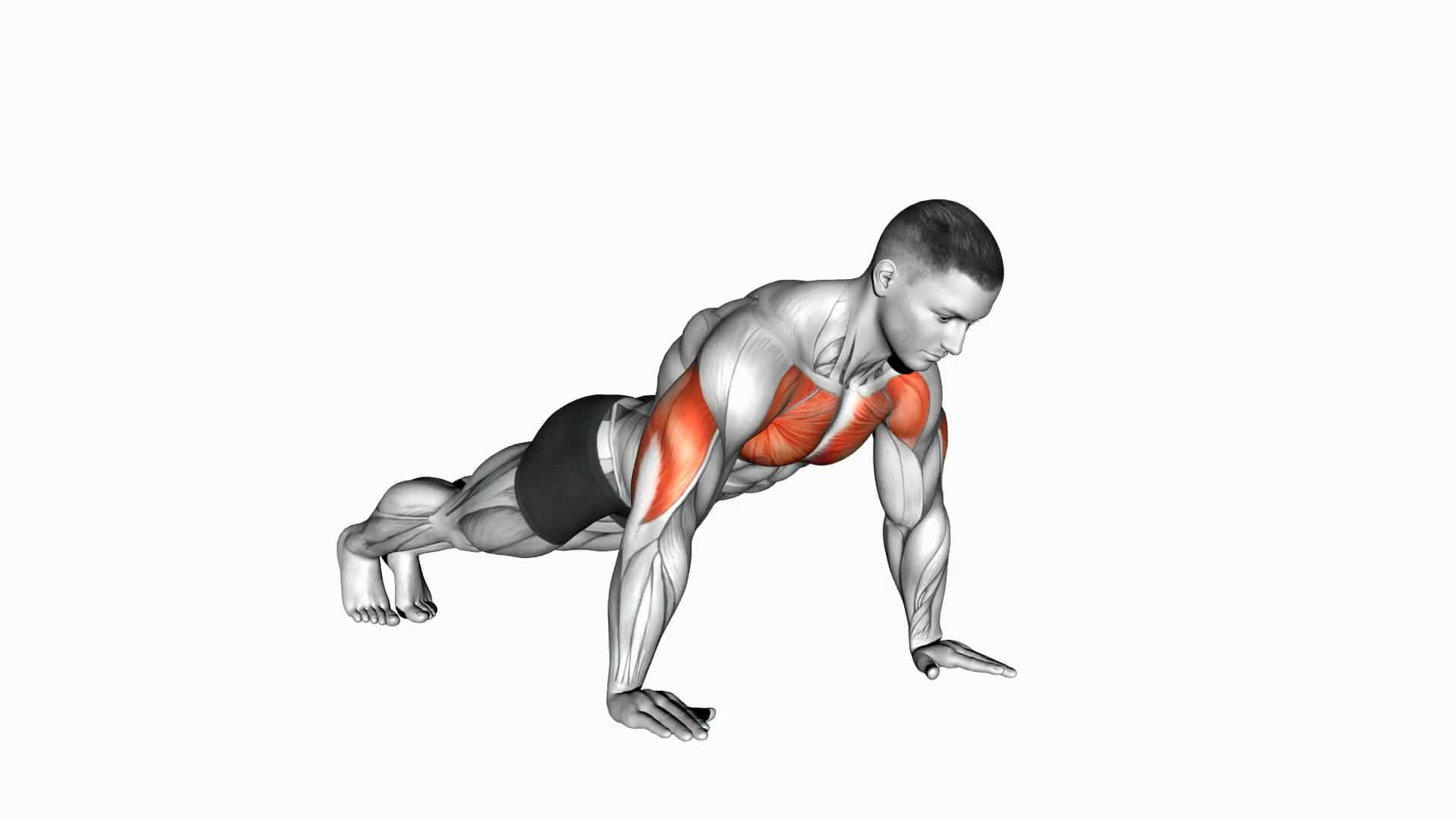
- Push — chest and shoulders
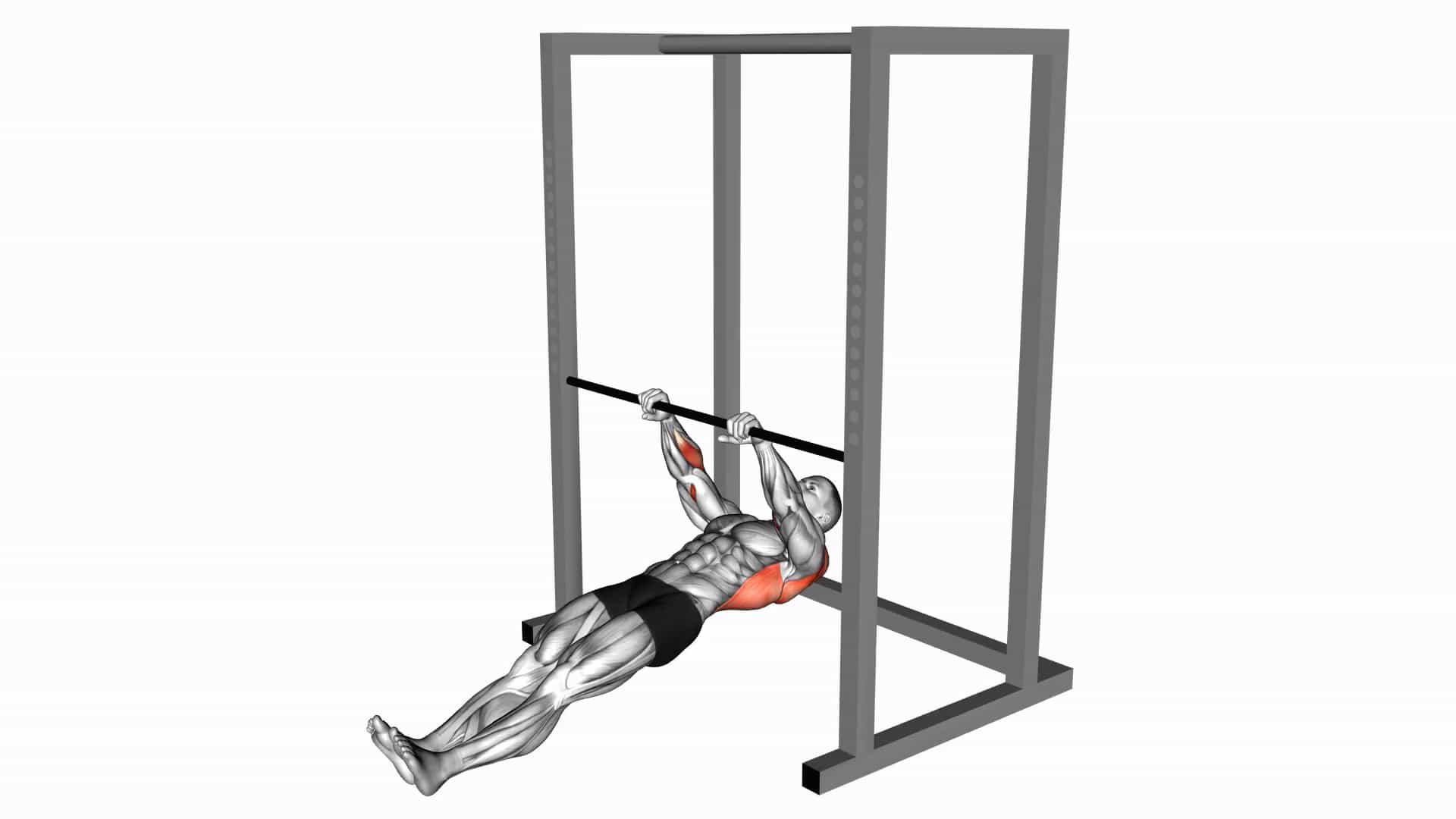
- Pull — back
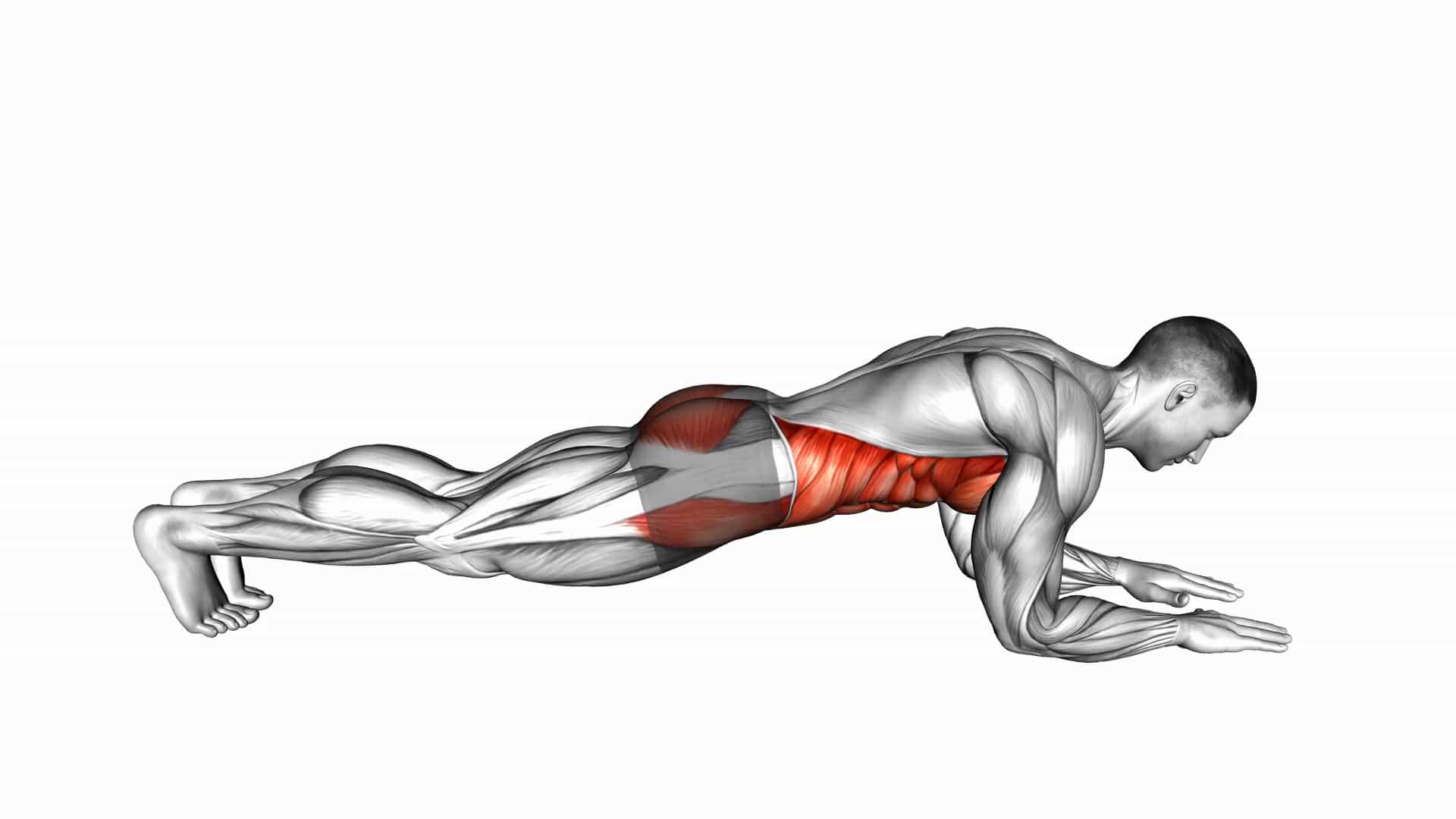
- Brace — core
A simple bodyweight version looks like this:
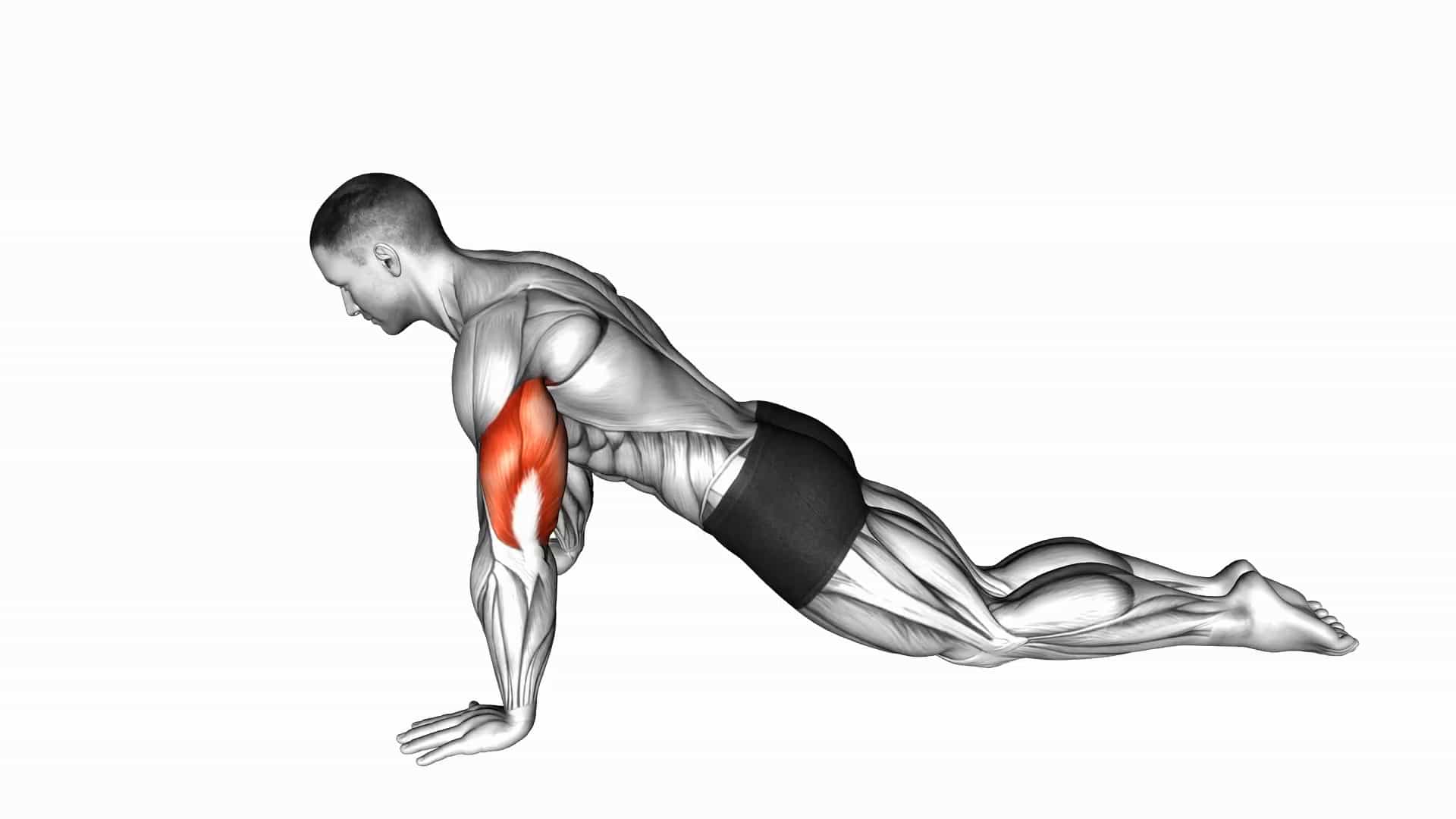
That is four exercises and a complete session. If a full push-up is too hard right now, swap it for the kneeling variation and keep the same structure:
Want a hinge day later in the week? Add a Romanian deadlift or hip-hinge move on a separate session instead of stuffing everything into one workout.
Match the list to your time
About 20–30 minutes. Pick three or four moves. Two or three working sets each. Keep rest honest (about 60 seconds). Skip extras.
About 45–60 minutes. Four to six exercises. Three sets on the main lifts. Add a fifth or sixth only if the first four still look clean.
Split training. On push, pull, or leg days you still do not need eight variations of the same muscle. Four to six well-chosen moves cover the pattern without junk volume.
A ready-made example
On Routines, Full Body Beginner is built around five exercises — right in the beginner sweet spot. Open it, follow it as written, or customize a copy if you only have 25 minutes.
Prefer to build your own? Use Build, add four to six moves in training order, and set sets, reps, and rest so the follow screen is ready.
Keep it sustainable
Stick with the same small list for a few weeks. Progress by adding a rep, slowing the tempo, or increasing load — not by stacking more exercises every session.
When a workout feels easy end to end, then consider one more move. Until then, four to six done well is plenty.